


Build America, Buy America Act: Compliance for Mapes Products
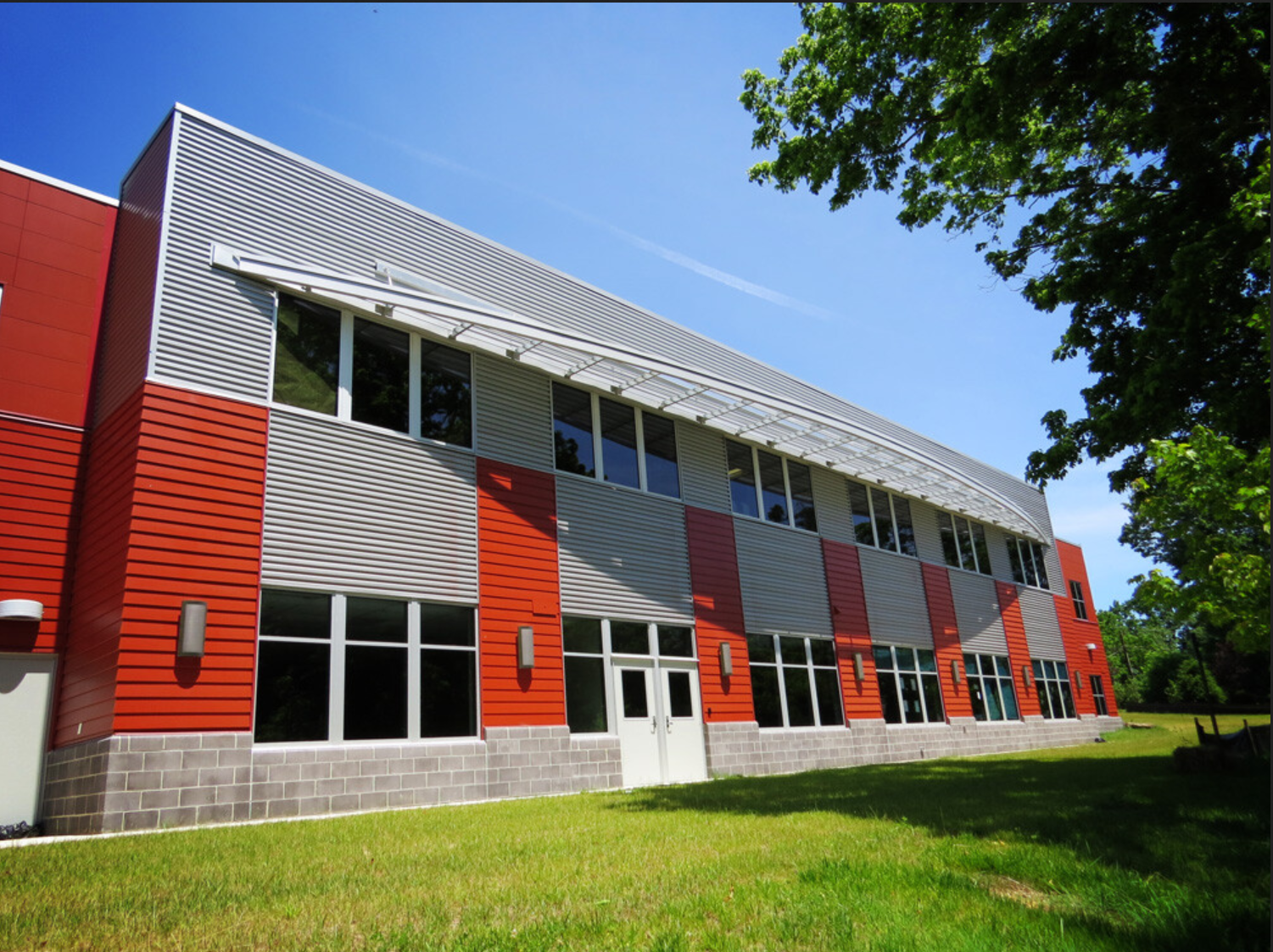
Exterior building components like aluminum canopies and sun-control systems draw extra scrutiny under the Build America, Buy America Act (BABA), largely because aluminum can be classified two different ways, depending on how it’s fabricated.
Get the classification wrong, and it can mean submittal delays or last-minute material substitutions late in a project.
To keep projects compliant and on schedule, specs must align with BABA’s specific fabrication guidelines from day one.
Understanding Build America, Buy America Act Compliance in Modern Commercial Construction
BABA, part of the Infrastructure Investment and Jobs Act passed in 2021, sets domestic sourcing requirements for iron, steel, manufactured products and construction materials used in federally funded infrastructure projects. This covers more than roads and bridges; it also applies to buildings like schools, municipal facilities and medical centers.
For architects, builders and contractors working on public-sector construction, understanding these requirements during the design and procurement stage helps prevent compliance questions, submittal delays and last-minute substitutions.
What Counts as “Produced in the United States”
Domestic production rules vary by product category. For standalone construction materials (like unformed aluminum), all manufacturing processes must occur in the U.S.
For manufactured products, the system must be manufactured in the U.S. and have more than 55% of its total component costs coming from domestic sources. Thresholds and exceptions vary by category and agency.
Getting the classification right from the start keeps documentation and the project on track.
Why Entryways and Building Envelopes Face Sourcing Scrutiny
Entrance canopies, sun-control systems, glazing, panels and other exterior assemblies form the building envelope, the most visible and material-intensive part of a finished project. That makes them a common focus of BABA sourcing review.
Many exterior components use aluminum, which on its own is classified as a non-ferrous construction material. However, when fabricated, finished and combined into a complete architectural canopy system delivered to the job site, BABA classifies the finished assembly as a manufactured product.
That distinction sets the standard for compliance — requiring domestic final assembly and majority-U.S. component value rather than tracking every individual manufacturing process for raw inputs.
How Mapes Canopies Fulfill BABA Mandates
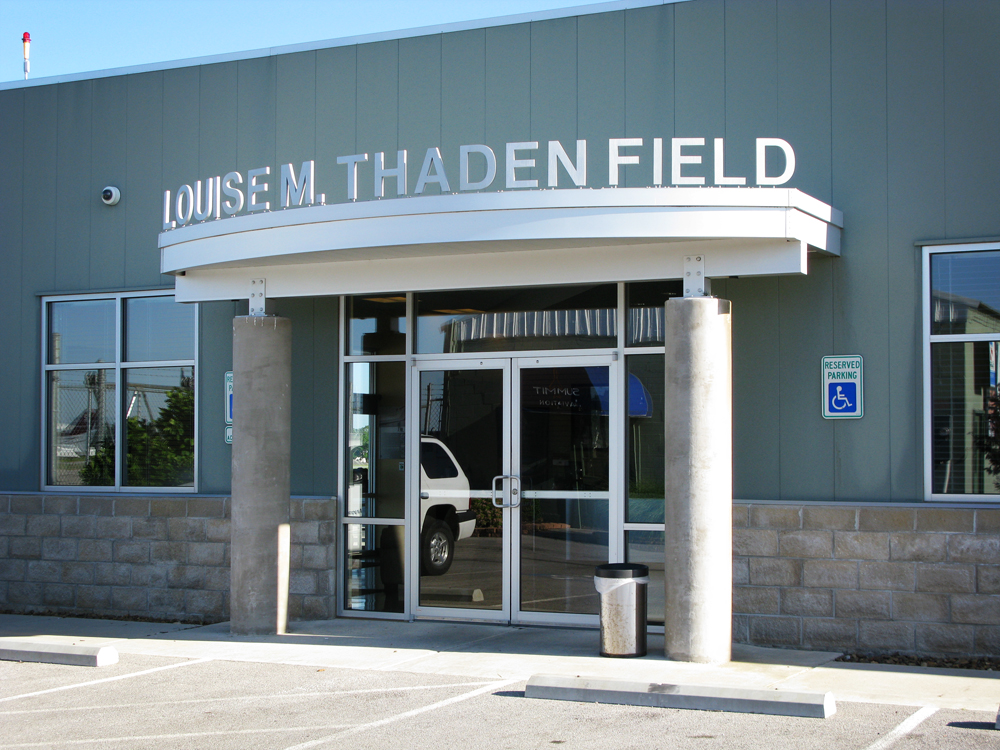
For federal projects that fall under BABA mandates, choosing building products with a clear domestic supply chain makes compliance easier to manage.
Mapes aluminum canopy systems are built for exactly this. Mapes’ systems are manufactured in the United States and exceed the 55% domestic component cost threshold for manufactured products under BABA, giving project teams a clear path through sourcing and compliance.
Faster Submittals with Verified Product Origins
Submittals under BABA come with an extra step: manufacturer certifications usually need to accompany shop drawings or sample submissions, and architects and engineers check that paperwork as part of approval.
That review moves much faster when a product’s origin is clear. Mapes fabricates, finishes and assembles its canopy systems in America, using aluminum solely from U.S. based extruders-crafted with maximum recycled content. This streamlines the documentation process for architects and contractors.
Key Advantages of Choosing Domestic Architectural Solutions
Choosing domestic architectural products offers operational benefits that go well beyond meeting BABA compliance.
Focusing on domestic manufacturing makes it easier to verify component content, streamline procurement and keep materials moving to the job site on predictable schedules.
Minimizing Job Site Delays from Ocean Freight and Shipping Bottlenecks
Relying on imported finished architectural assemblies introduces variables that are difficult to control. Fully imported products can face port congestion, ocean freight disruptions, customs processing delays and unpredictable transit times — risks that can disrupt installation schedules and drive up job site labor costs.
While global trade impacts raw material markets across the industry, sourcing U.S.-fabricated and assembled systems keeps final production local. Domestic manufacturing offers greater schedule transparency, shorter transit lead times to the job site and protection from international freight bottlenecks.
Supporting U.S. Manufacturing and Jobs
BABA aims to strengthen domestic manufacturing and support U.S. jobs. Specifying domestic products on public projects does double duty here: it meets sourcing requirements while putting infrastructure spending back into American manufacturing and the communities behind it.
Building domestically also means tighter quality oversight. Mapes canopy systems use heavier-gauge aluminum built to carry more load, a premium 70% PVDF finish backed by a 10-year warranty and engineering certified to meet wind and weather loads anywhere in North America.
Mapes Canopies in Schools and Municipal Buildings

Federal dollars come with strings attached, and BABA compliance is one of them.
Mapes aluminum canopies and sun-control systems are used across many public facilities, from schools and libraries to fire stations, bus parks and juvenile justice centers.
For architects and contractors, that means one product bridging two priorities: strong design and compliant sourcing.
Safer, Drier School Entrances
Aluminum canopies shelter entrances, ramps and other accessible routes, keeping high-traffic areas drier in rain and snow and reducing slip hazards. They also give students using wheelchairs, walkers or other mobility devices a covered, more accessible path into the building.
Cutting Cooling Costs for Municipal Buildings
Positioned above windows and glazed areas, sun-control canopies block direct sunlight and reduce solar heat gain, easing the load on cooling systems during warmer months. For municipal projects under BABA, Mapes’ can easily deliver that performance without adding a sourcing gap to close later.
Ready to Specify Mapes?
Mapes’ U.S.-manufactured products give project teams a clear path to meeting sourcing requirements without sacrificing durability, performance or design.
Whether you’re planning a school entrance upgrade, a library renovation or a fire station enhancement, explore the Mapes product line early to keep your project on schedule.
Have questions? Reach out to our team for help finding the right solution.
Back to All